
Medicine needs memory, conscience, and recovery
Oslersymposia treats Sir William Osler not as a relic, but as a continuing challenge to clinical education. The archive connects symposium proceedings, medical humanities, professional ethics, CME reflection, and recovery-oriented healthcare for those who believe medicine must remain humane.

Symposia Proceedings & Articles




The Oslerian Philosophy in Practice
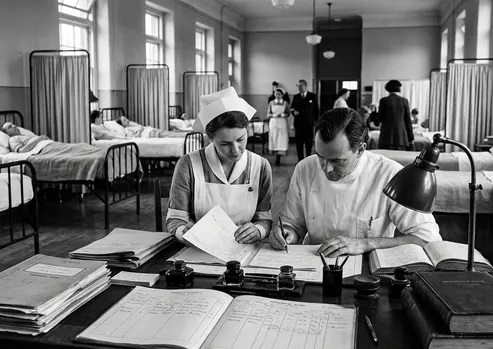
When medical education focuses solely on technical proficiency, the human element erodes. By comparing standard curriculum delivery with Oslerian ward-based teaching models, a distinct difference emerges. Programs integrating historical reflection and ethical grounding produce practitioners who report lower rates of moral injury. The outcome is a more resilient clinical workforce capable of sustaining empathy under pressure.
Our educational directors and faculty teams focus specifically on this intersection. They design curricula that bridge the gap between historical medical humanities and contemporary clinical demands.
Core Educational Archives
The Osler Symposia structure knowledge across distinct but intersecting domains. These archives define our approach to medical humanities and continuing education. For example, our proceedings document specific breakout sessions on physician burnout and addiction recovery. Edge cases arise when historical medical ethics clash with contemporary technological mandates, a tension we explore deeply in our faculty mentorship programs.

Oslerian Legacy
A scholarly silo focused on Sir William Osler's life, clinical ideals, and continuing influence on humane healthcare.

Symposia Proceedings
A structured home for symposium themes, educational programs, and archival material related to the Osler Symposia.

Recovery Medicine & EPC
Connecting addiction recovery, community health, and the work associated with Endorphin Power Company.

Medical Humanities & Ethics
Reflective content on professional values, the physician's oath, patient-centered care, and moral injury.
Faculty & Contributors
A knowledge hub for symposium faculty, featured speakers, clinical educators, and authors.
Regional Programs & Venues
Geographic and institutional context for symposium host cities and place-based educational programming.
Evaluating CME and Recovery Outcomes
Measuring the true impact of Continuing Medical Education presents a persistent structural constraint. Attendance logs confirm presence, not comprehension or behavioral change. To address this, we implemented reflective practice assessments following symposium sessions.
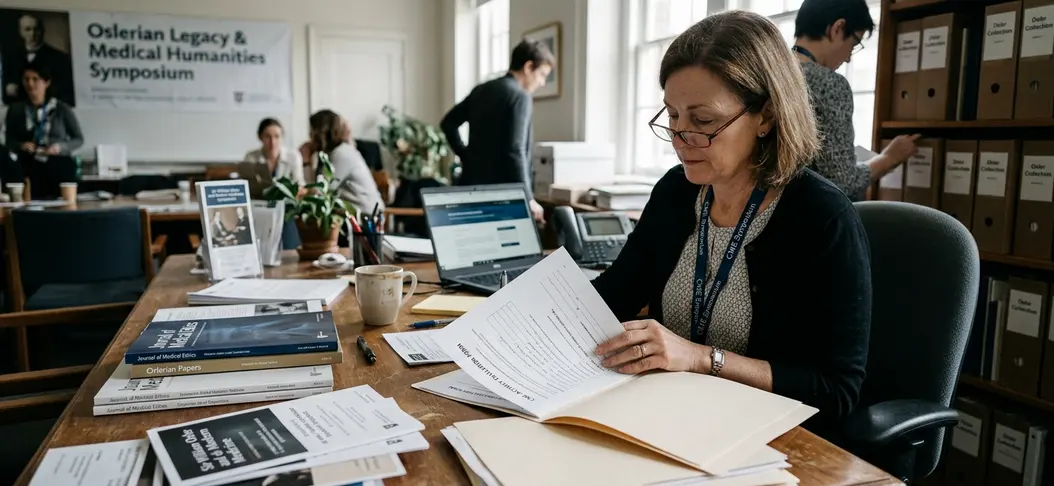
This workaround requires more faculty time to review narrative feedback. The trade-off is clear—we sacrifice automated, scalable grading for a nuanced understanding of how physicians integrate humanistic principles into patient care. Analysis of recent symposium feedback suggests this qualitative approach better captures shifts in clinical empathy.
Institutional Context and Trust
Multi-year educational partnerships sustain our symposium series. Ongoing collaborations with regional healthcare networks since 2015 provide the clinical context for our proceedings.
While our historical frameworks offer sound ethical guidance, they cannot resolve every modern administrative dilemma faced by today's practitioners. We focus on equipping clinicians with the moral vocabulary to navigate these challenges.